`n
Delivering transformative solid waste management and environmental infrastructure across India - from ISWM systems to waste-to-energy plants and sanitary landfills.
Projects currently under development, construction, or operation across environmental infrastructure sectors.
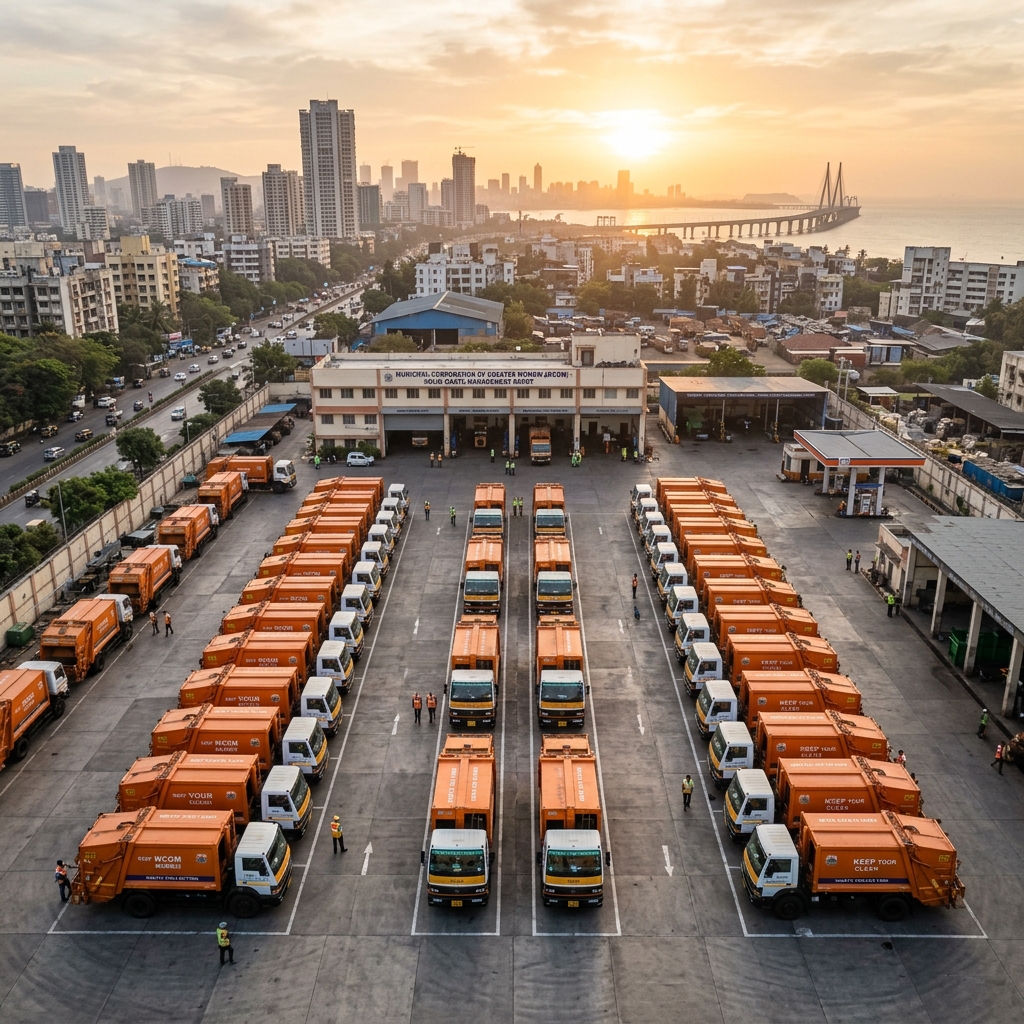
Integrated SWM
Door-to-door collection, 3-bin segregation, MRF, compost plant, and transfer station. Serving 200,000+ households under PPP concession.
Waste-to-Energy
Mechanized sorting, shredding, and Refuse Derived Fuel (RDF) production plant supplying cement kilns. 200 TPD capacity.
Sanitary Landfill
Engineered sanitary landfill serving 5 municipalities. HDPE liner, leachate treatment plant, LFG capture system. 30-year design life.
Special Waste
Mobile & fixed jaw crushers, screening plant, and recycled aggregate production for road sub-base. Compliant with C&D Rules 2026.
Biomedical Waste
CPCB authorized CBWTF with autoclave, microwave, shredding, and incineration capacity serving 50+ healthcare facilities.
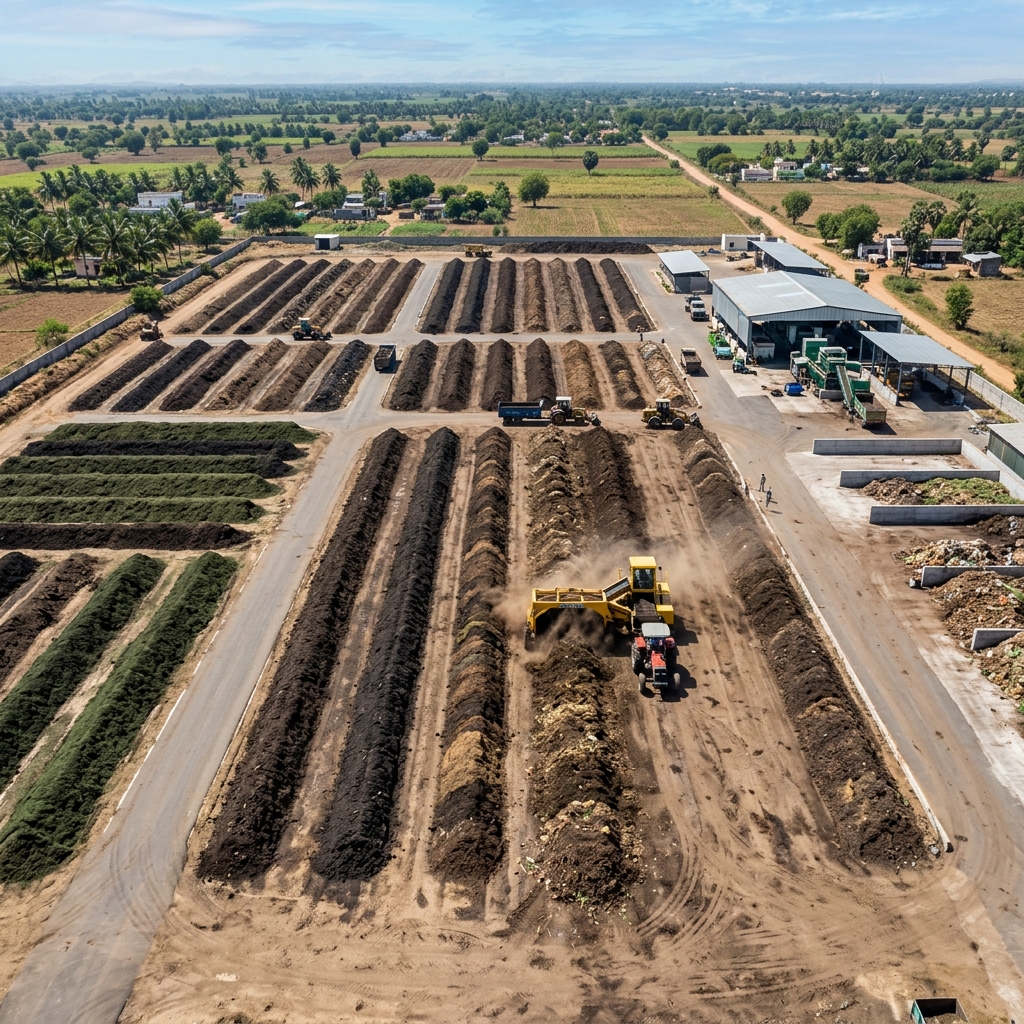
Composting
Windrow composting plant for organic wet waste from household & market collection. 100 TPD capacity with mechanized windrow turning.
Representative case studies illustrating best practices and technical approaches in integrated solid waste management - drawing from national models and CPHEEO documentation.
One of India's most successful urban SWM transformations - Surat's PPP model for integrated solid waste management demonstrates the viability of private participation in municipal waste management. The city achieved 100% door-to-door collection and scientific processing.
Key learnings: Route optimization, community IEC programmes, informal waste picker integration (SWaCH model from Pune), and performance-linked payment mechanisms drive success in municipal SWM PPPs.
India's largest WtE plants (Okhla, Ghazipur, Narela-Bawana) process over 3,000 TPD of municipal solid waste. These represent India's transition from open dumping to energy recovery - providing valuable lessons in technology selection, emission control, and community acceptance.
Key learnings: Pre-sorting & RDF quality optimization, tipping fee structure, gate fee mechanisms, energy purchase agreements with DISCOMs, and community outreach are critical success factors for WtE facilities.
We design and develop regional waste management facilities serving clusters of smaller municipalities - an approach recommended by SWM Rules 2026 and CPHEEO for cost-effective scientific disposal.
Centralized composting facility (windrow/in-vessel) serving 3-5 municipalities in a cluster. Shared infrastructure for economies of scale with satellite collection and transfer stations.
Regional engineered sanitary landfill serving multiple ULBs. Kannahalli (Karnataka) model - site selection based on CPHEEO siting criteria, hydrogeological survey, and environmental clearance.
Integrated Material Recovery Facility (MRF) and Waste-to-Energy plant serving a group of urban local bodies - maximizing resource recovery and minimizing landfill burden for the entire cluster.
We actively seek consortium and JV partnerships with established contractors, technical consultants, and environmental engineers for large-scale government SWM and PPP projects. Authorized under our MOA for consortium formation.
Share your waste management or infrastructure project requirements and we'll respond with a detailed technical & commercial proposal.